
Lake-facing inspection
West-shore rakes are walked first because they fail before sheltered rear planes.
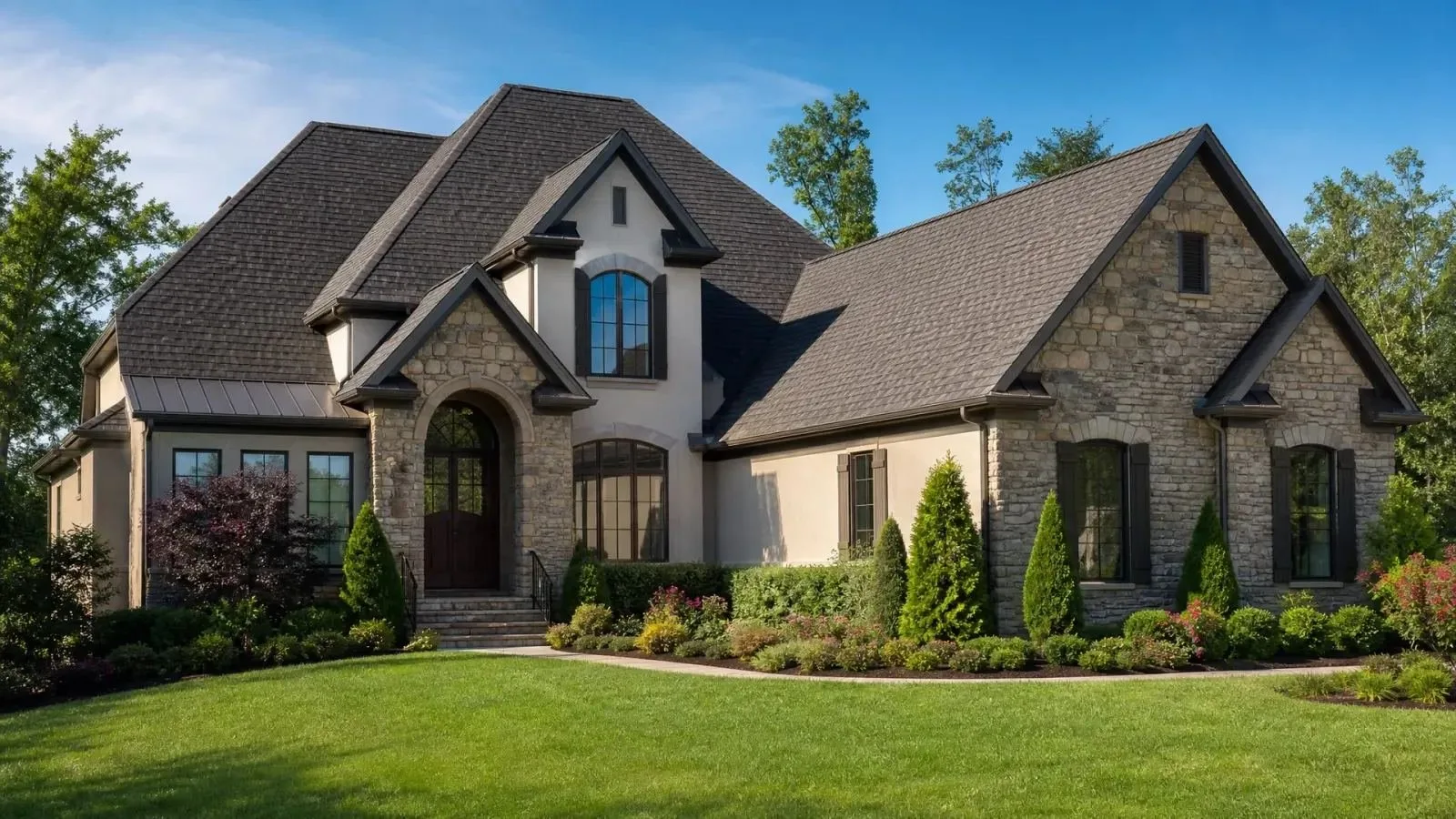
Ceiling stains beside lake-side windows usually mean wind-driven rain found a gap at a gable end or screened porch cricket—not a random field leak on the street elevation.
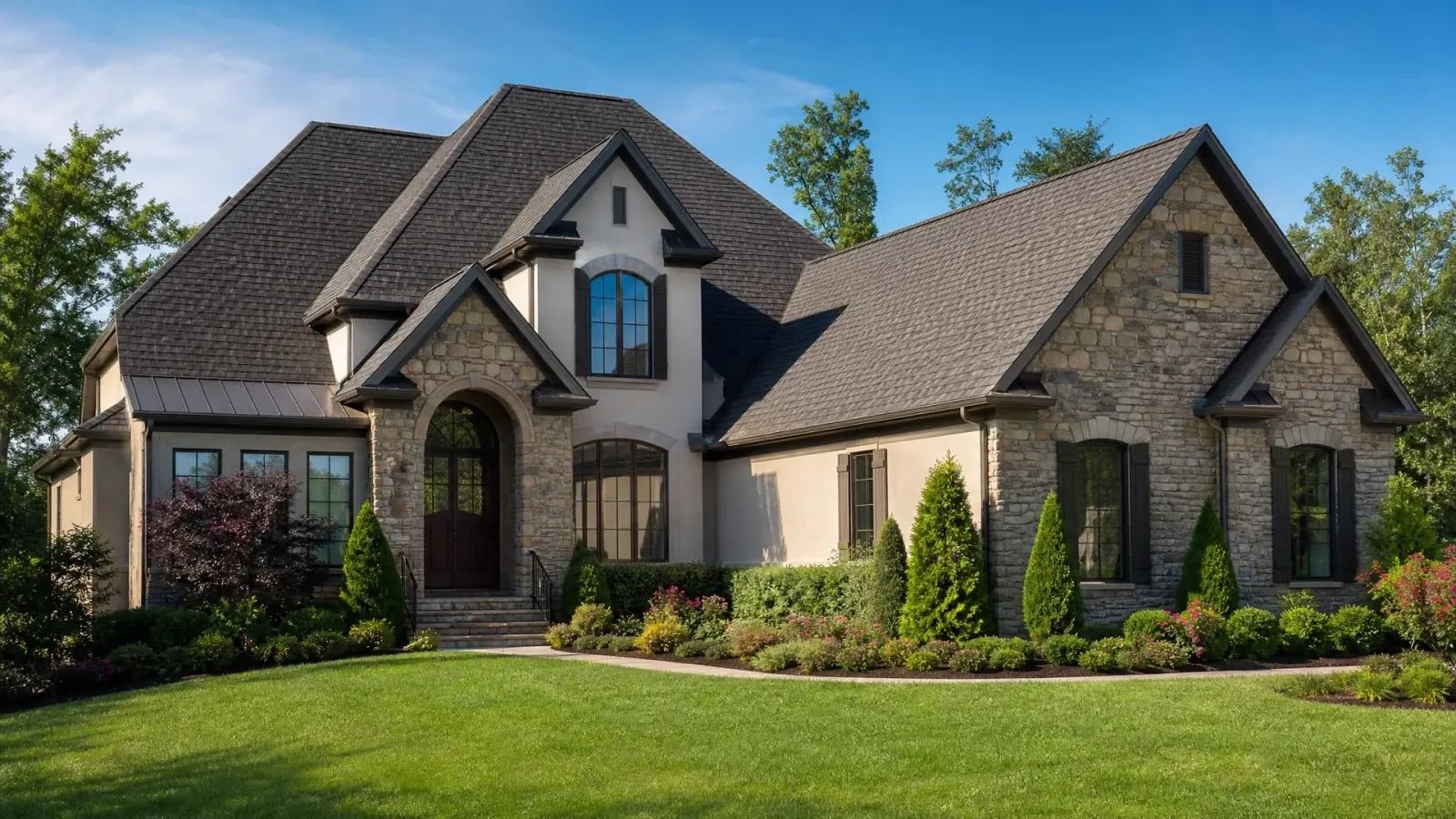
Cove mouths funnel gusts along rake edges and under lifted starter courses. We log lake-facing, street-facing, and inland elevations separately because damage is rarely symmetrical.
Pine straw and needles slide into valleys above boat slips and dock walks. Straw is removed without stripping granules, valley pans are checked for pinholes, and tabs are sealed only where flex tests still pass.
Sea walls and grade changes mean downspouts sometimes dump toward foundations sitting near the water table. We trace fascia staining backward from the outlet before quoting shingle work.
Metal accents on porches facing the lake dent and split at seams faster than asphalt on the rear field. Repairs name whether you need panel swap, solder, or shingle tie-in work.
Long gravel drives limit where ladders can land. Roofing Cornelius notes gate codes and turnaround space so Kaliber crews do not block your only path to the dock on repair day.
Temporary covers use strapping suited to cove gusts when another line is forecast. Closeout photos include dock rails and landscaping you asked us to protect.
Denver roof repair scopes start with dated photos on each elevation so you can compare repair, wash, and replacement without guessing from the curb.
Driveway turnout, mailbox placement, and shared access on Denver streets get noted before ladders arrive so neighbors are not trapped during the visit.
Roofing Cornelius keeps scheduling and photo follow-up on one thread; Kaliber crews perform the approved roof repair work in the field.
When attics are accessible on Denver homes, we glance at decking stains and soffit intakes so ventilation issues are not misread as shingle failure alone.
Shingle matches are sourced for common builder colors found on NC-16 and Highway 73 coves. Sheet-metal flashings are cut and bent on site when porch pitches do not match big-box boots.
Gutter flushing is recommended when overflow stained lake-side soffit paint. On cove lots, fixing shingles alone often brings the same streak back after the next hard shower.
West-shore rakes are walked first because they fail before sheltered rear planes.
Access notes cover boats, sea walls, and narrow drives before crews arrive.
When creasing spans the field, we say replacement beats a fourth patch.
Complete reroof in NC-16 once insurance or your budget approves removing all old layers.
Learn moreWarehouse and shop roofs in Denver when standing water follows every hard rain.
Learn moreRestoration planning in Denver once your claim is approved and the scope is written.
Learn moreTarp service on Denver roofs when a tree branch punches a hole over the living room.
Learn moreLake gusts push rain uphill at open gable ends and under lifted shingles. We document those joints when wind is calm so you still see the gap.
Yes when you share access notes. We stage tools on the street side you designate when the cove drive is tight.
Active interior water gets priority scheduling when Kaliber crews are already on the west-shore Lincoln County loop.