
Interior dried first
Mechanically attached covers land before discussing permanent courses or decking swaps.
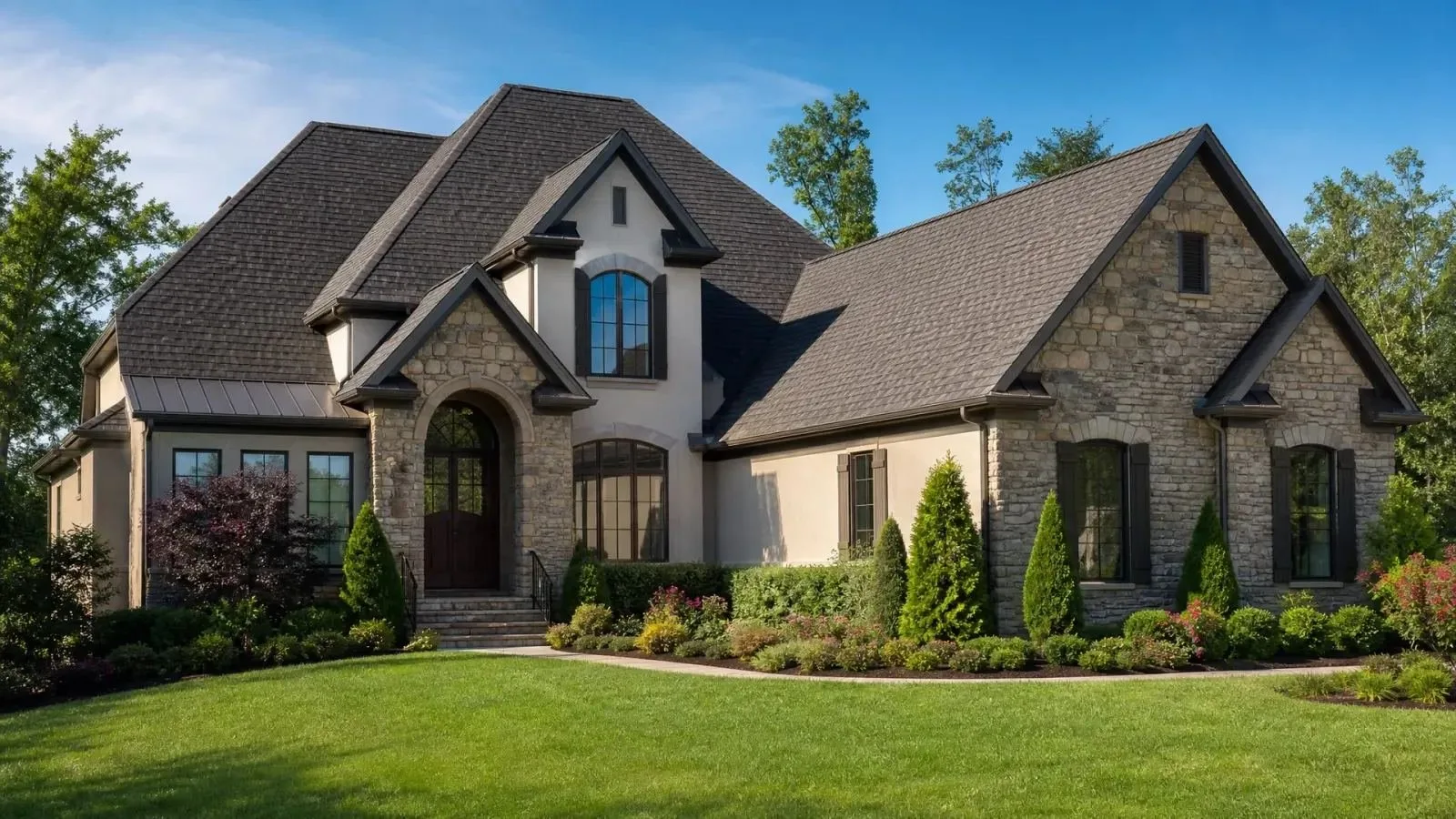
When wind off the lake meets a mature oak, roofs can fail in minutes. The first job is keeping the home dry; permanent repair plans come next.
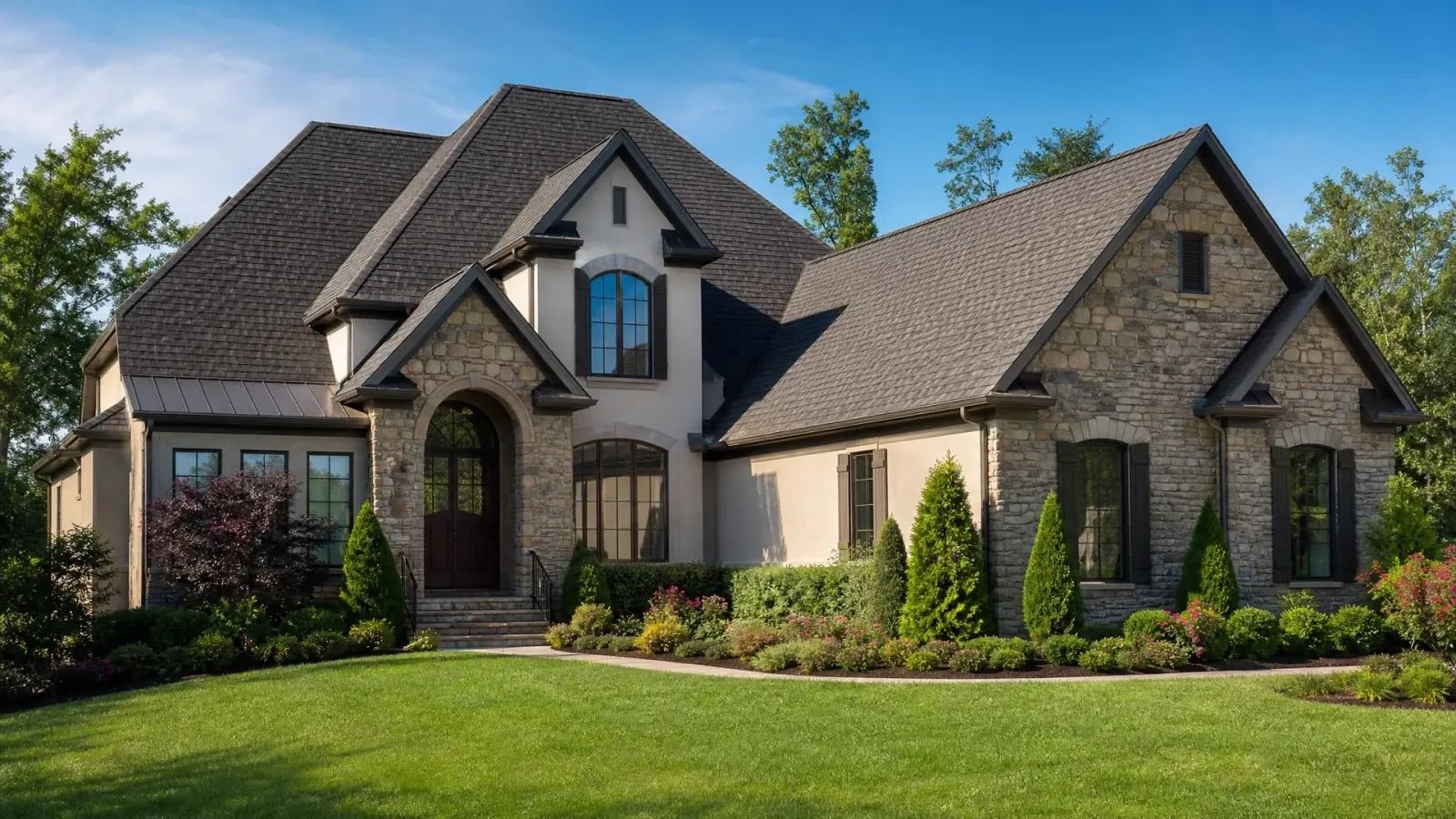
Canopy oaks and lakeside hardwoods throw limbs that peel caps and lift courses in a single gust. Interior protection beats price shopping in that moment.
Safety scan, then mechanically attached tarps or temporary skins over exposed decking. Well-fastened covers buy time through repeated showers while carriers and suppliers catch up.
Stabilization is followed by a full perimeter walk—rakes facing the water, ridges, and valleys where lifted shingles hide from street view. Hail marks on vents and caps confirm what field shingles only hint at.
Impact can dish plywood while cosmetics look fine. Attic-side inspection catches structural flex before cosmetic shingle work masks it.
Storm debris in gutters and valleys sets up round two. Branches, loose shingles, and soaked leaves get cleared so the next squall does not pond behind the first hit.
Regional events flood inboxes with out-of-town offers. Ask who climbs, who carries insurance, and what Kaliber Roofing actually scopes before deposits leave your account.
Intrusion already staining ceilings needs drying guidance—insulation, framing, and drywall flags go in your notes for restoration partners if needed.
East-shore homes on Jetton and Ramsey Creek often lose ridge caps before inland neighbors on the same street because afternoon wind comes off open water to the west. We walk those rakes even when damage looks minor from the driveway.
Huntersville and Mooresville lots on the north end and east side of the lake see different wind angles than Cornelius waterfront rows, but the same squall can bruise shingles across counties in one night.
Permanent plans map each defect to repair, partial reroof, or full replacement with imagery attached—no mystery line items.
Claim intent should surface early so before-and-after emergency photos stay defensible.
Supply crunches after lake-wide storms mean honest schedule updates and tarp checks until permanent work lands.
Kaliber Roofing executes repairs, hauls debris, and leaves gutters and lawns without nail fields waiting for a barefoot trip to the dock.
Limbs often crumple gutter runs and fascia first—we handle those in the same mobilization so overflow does not undo fresh field work.
Weekend cottages that sit empty between storms still need documented temporary protection; we leave written instructions for checking tarp tension before the next front rolls across the lake.
Roofing Cornelius coordinates emergency timing and follow-up calls; Kaliber Roofing crews handle tarps, permanent repairs, and cleanup on the approved scope.
Hail maps and social posts are noisy after lake-wide events. Your roof still needs its own walk, because tree cover and slope direction change what each lot actually took.
Power loss and attic fans off after storms can trap moisture; we note ventilation issues when they may slow drying upstairs.
Mechanically attached covers land before discussing permanent courses or decking swaps.
Ridges, rakes, and leeward slopes are walked even when only one tree limb struck.
Event imagery and narrative notes export cleanly for adjusters or restoration partners.
Avoid the ridge, photograph from grade, shield belongings from drips, and use the estimate form on this site. Life-safety issues belong to emergency services.
Well-fastened skins buy days to weeks, but permanent work should replace them before UV and wind fatigue set in.
Sometimes a slope repair suffices; other events justify full replacement. Imagery drives either recommendation.
Yes for inspection and permanent repair planning once conditions are safe. We document what is under the cover before quoting fix scope.