
Stain mapped upslope
Attic routes and adjacent courses are checked so the patch covers the breach, not the wet drywall.
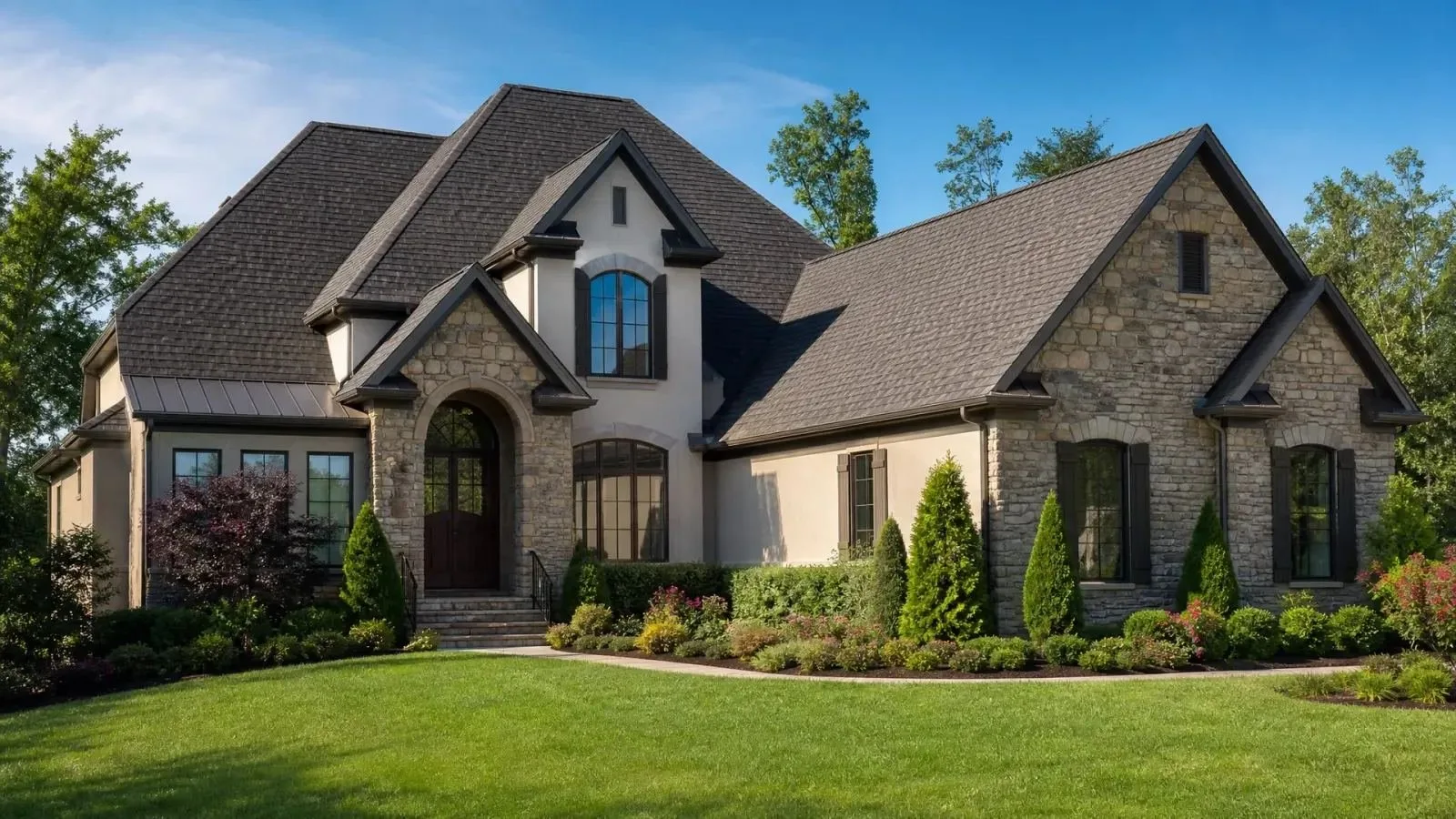
Ceiling stains sit downhill from the real gap. We march upslope with a camera until the opening is identified, then fix that entry instead of cosmetic patches below.
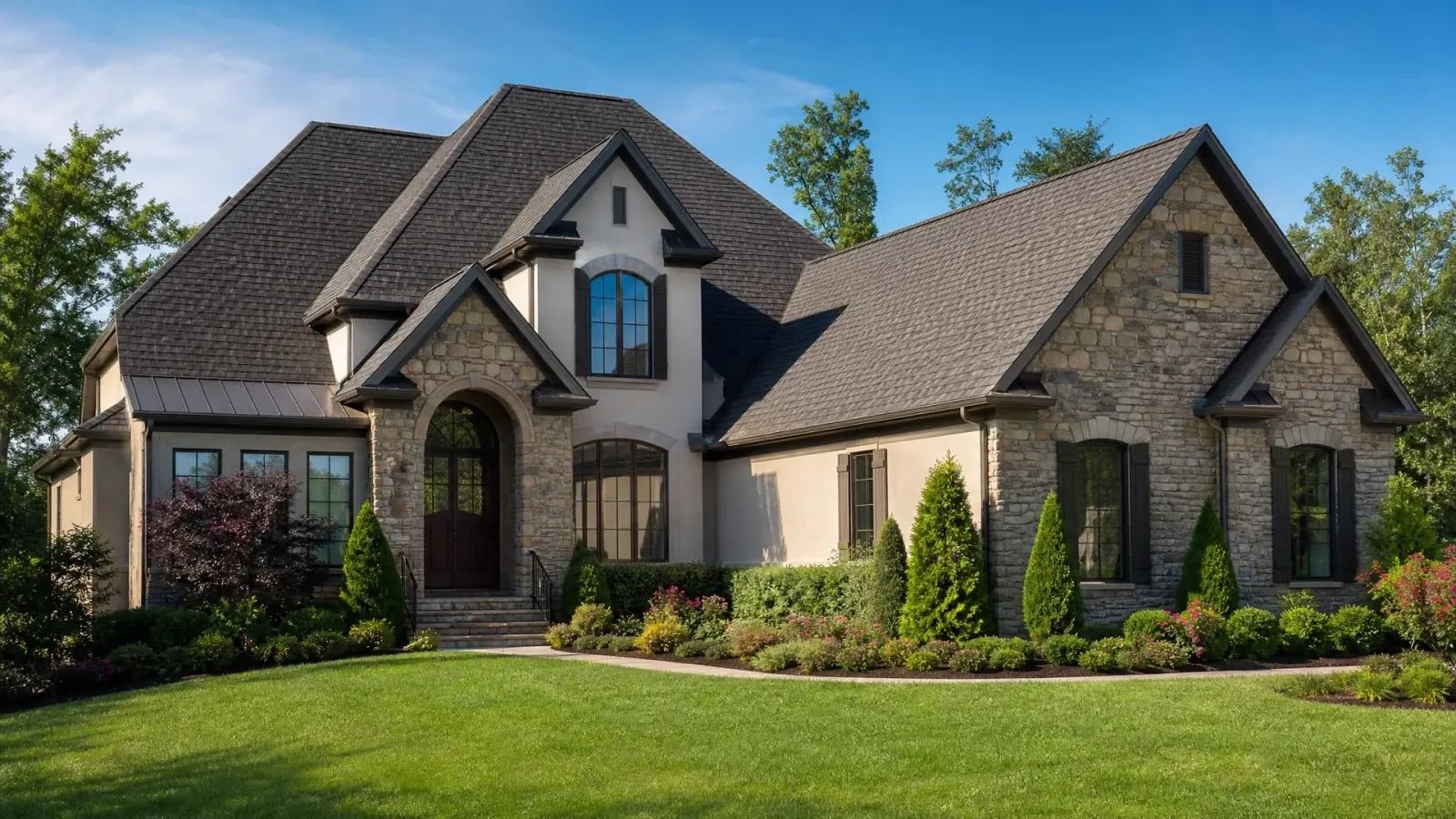
Wind-driven rain off the lake forces water sideways into gaps calm weather never tests. We begin below when the attic is accessible, marking wet insulation, stained decking, and daylight at vents before anyone steps on the slope.
Cornelius patterns repeat: sun-cracked pipe boots, shingles lifted on slopes that catch afternoon wind off the water, nail pops on older builder bundles, and sidewall flashings tired from thermal movement. Add-on porches and dock-view dormers introduce horizontal seams that fail without obvious exterior damage.
Lake lots on the east and southeast shore see more uplift on west- and northwest-facing rakes than inland neighbors on the same street. That detail steers us toward the right slope first instead of guessing from the stain alone.
Organic debris is a slow leak machine. Leaves mat in valleys, hold humidity from the lake air, and wick moisture under courses. Removal belongs in the repair visit, not on a separate invoice you did not expect.
Photos pair with honesty about longevity. Brittle surrounding tabs mean a patch might last one season—we say that upfront instead of collecting for work that will peel in the next gust.
Patches pull from your existing stock when we can, use sealants rated for Carolina heat, and weave flashing so the repair sheds like the rest of the field. Nothing fluorescent from the pier for neighbors to stare at.
Live intrusion gets a temporary skin first: secured tarps or strategic membrane until a dry day allows proper integration.
Deck-mounted skylights, antenna bases, and solar rails each carry curb flashings that fatigue independently of the glass. We inspect collars and step courses before recommending hardware swaps.
Ridges aimed at open water lose caps before leeward slopes because evening humidity keeps adhesive soft. Re-nailing or re-bedding caps often ends mystery drips at ceiling peaks without touching the field.
When a single intervention buys years, we scope only that and skip replacement talk. When patch costs approach the value left in the system, close-ups show the math.
Approved repairs are executed by Kaliber Roofing with jobsite debris hauled off; you receive a brief narrative of what changed.
Seasonal habits matter here: blow valleys after heavy leaf weeks, peek in the attic after named storms, and keep gutters draining so new work is not soaking from below.
Fascia and soffit staining while we are on site triggers a wider scope conversation—the wood may be telling you the leak source is lateral, not directly overhead.
Dock houses and detached garages on the same lot share storm paths but different ages; we document each structure so a repair on the main house does not ignore a failing guest roof dumping water toward the foundation.
Small repairs still deserve a written closeout: what we sealed, what to watch after the next squall, and when patch life may run short because surrounding shingles are brittle.
Attic routes and adjacent courses are checked so the patch covers the breach, not the wet drywall.
Tabs, sealants, and metals are chosen to disappear against the existing field.
After photos recap what was changed and what to monitor after the next squall.
Localized defects on an otherwise stiff mat favor repair. Widespread granule baldness or recurring openings in new spots argue for tear-off.
Temporary skins or tarps are possible in wet weather; permanent integration waits for dry courses.
Manufacturer rules vary with age and product line. We log methods and materials so you can ask your shingle maker how the fix affects coverage.