
Candidacy gate
Flex and granule tests run before any spray or roll schedule is proposed.
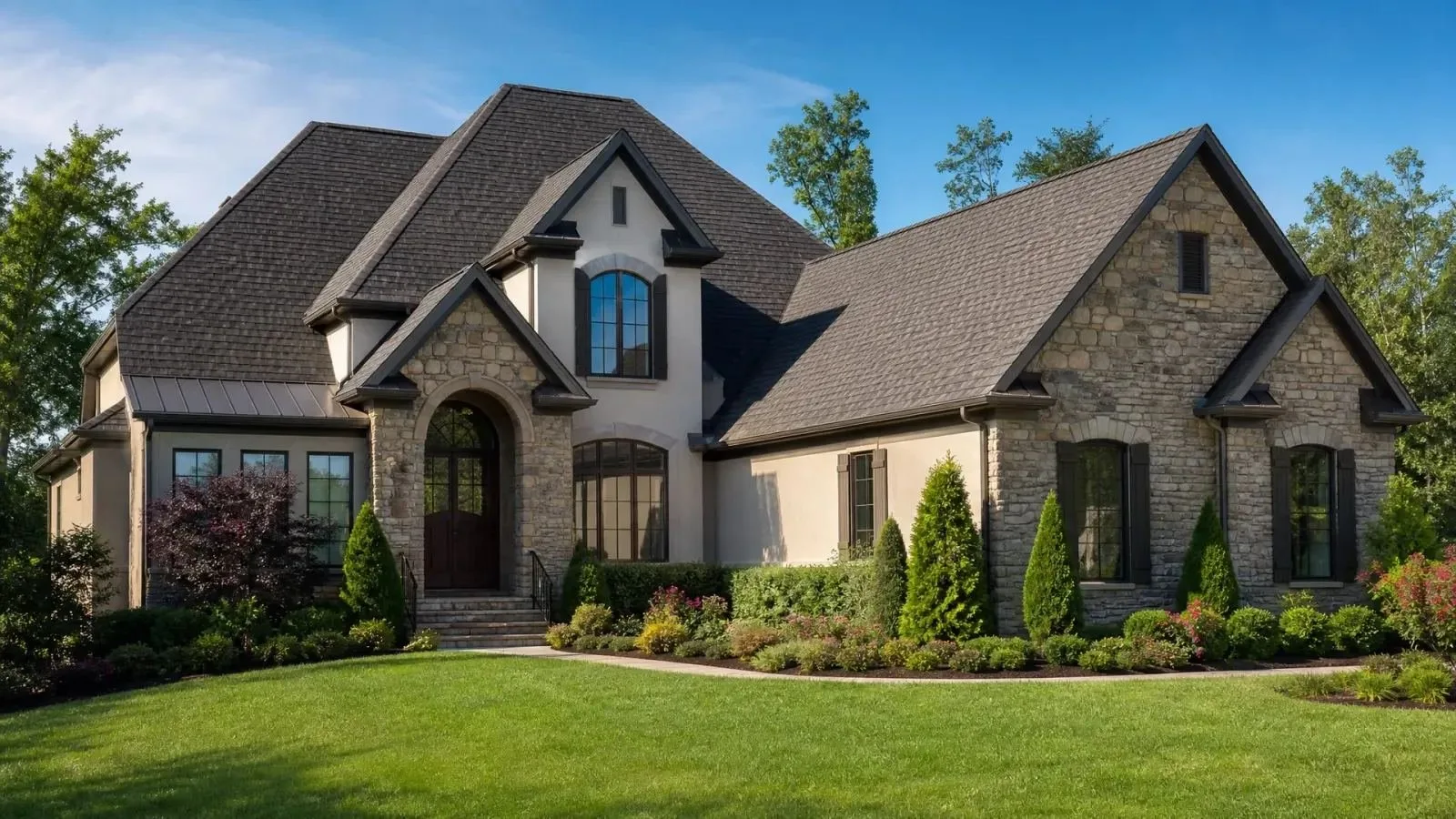
Oxidized shingles that still flex may gain seasons from a penetrating treatment; brittle, leaking assemblies need a different conversation entirely.
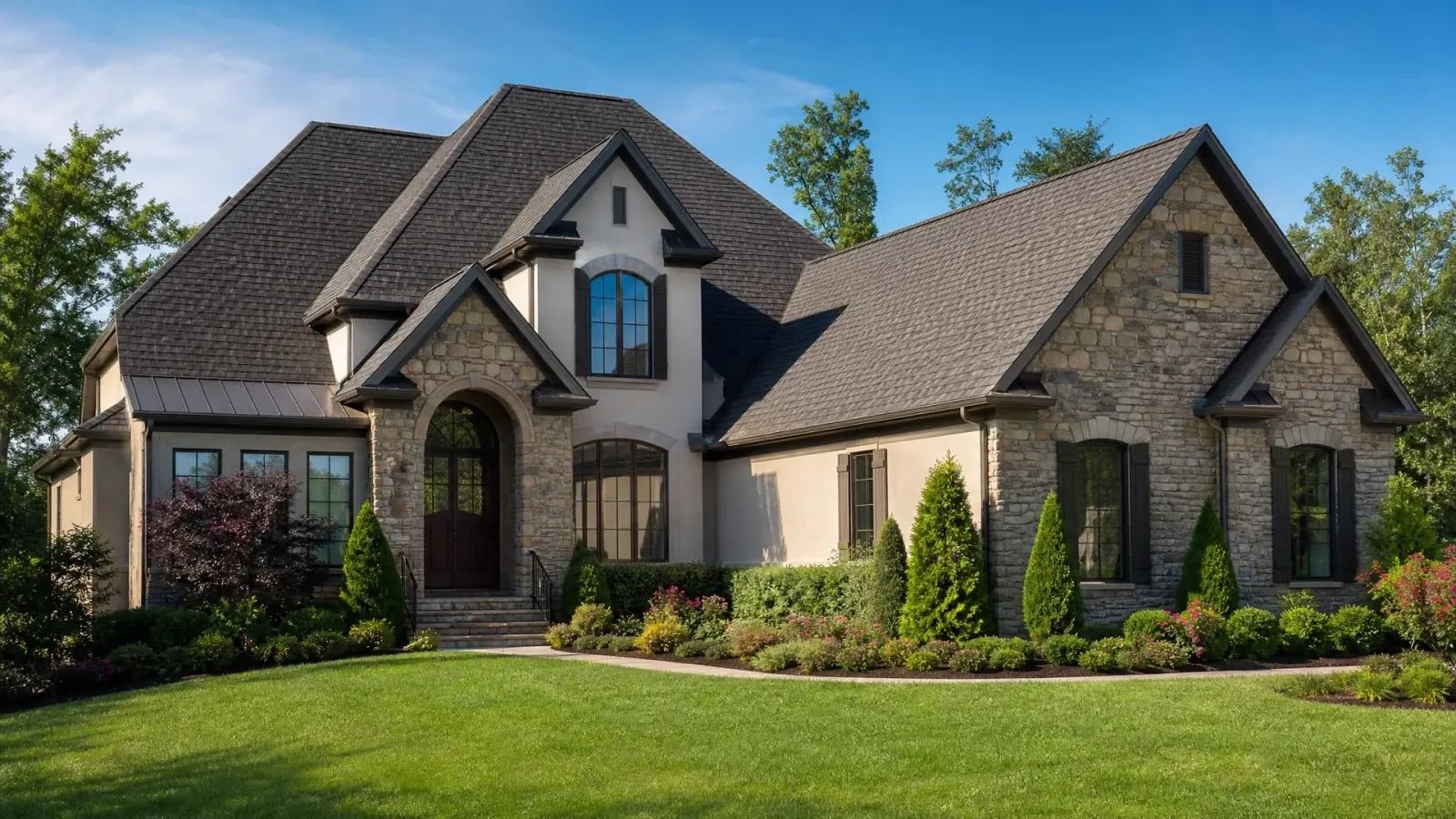
Carolina sun and overnight humidity cycles pull bituminous oils toward the surface, stiffening tabs and accelerating granule shed. Rejuvenators aim to reintroduce flexibility at the mat—not rebuild structure.
Treatments ignore cracked tabs, saturated decking, and failed flashings. They also fail on roofs already shedding mats in handfuls. The sweet spot is sound substrates showing age, not imminent failure.
Candidacy screening checks mat integrity, granule density, flex when lifted, and attic moisture. Roofing Cornelius declines jobs where dollars would outperform the remaining life curve.
Fifteen-year bundles on Highway 73 often qualify; west-facing lake lots may need earlier attention, while mossy north slopes may need cleaning before any oil application takes hold.
Budget runway matters: some owners bridge to a replacement year; others keep a well-performing roof presentable for sale. Both are valid when inspection data supports treatment.
Coatings form films, cleaning removes biology, rejuvenators soak—confusing the three wastes money. We map symptoms to the right tool.
Earlier application while granules largely remain typically outperforms rescue attempts on already fractured fields.
Townhome and patio-home associations on the lake sometimes restrict visible roof work hours; we align application windows with those rules when boards require advance notice.
Rejuvenation pairs poorly with active leaks—openings must be sealed first so treatment does not mask a problem that will return the first time wind-driven rain hits the slope.
Treatments do not raise a roof rating for hail or wind markets—they are maintenance for sound shingles, not a substitute for tear-off when mats are fractured.
West-facing slopes on Cornelius waterfront lots dry fast in afternoon sun but stiffen sooner than shaded north faces; that mix is part of why we test flexibility before recommending oil.
Inspection, minor repairs, and gentle cleaning precede any spray or roll application—lake pollen and leaf film block absorption.
Product specs, dry-hour requirements, and realistic darkening or sheen changes get explained before the calendar slot; rain windows off the radar matter on open-water sites.
Declining treatment is fine—we can pair small repairs with a staged replacement timeline instead.
Kaliber Roofing applies approved products and leaves comparative photos in your folder.
Written coverage limits and post-treatment leak protocols should be in hand before work starts; vague guarantees are a warning sign.
Follow-up visits after the first lake summer help verify how the treatment is holding on west-facing pitches that take afternoon sun plus evening humidity.
Roofing Cornelius explains candidacy results in plain language; Kaliber Roofing applies product only when the inspection supports it.
HOA color and maintenance rules on lake streets sometimes limit visible work hours; we note scheduling limits in writing when a board needs advance notice.
Neighbors on the same Cornelius street often treat on different years; comparison photos help you decide without guessing from curb view alone.
Flex and granule tests run before any spray or roll schedule is proposed.
Minor seals and gentle washes precede treatment so chemistry actually soaks in.
When oils will not help, repair timelines or tear-off planning replace the pitch.
Sound mats, moderate granules, and dry decking pass; widespread cracking or active drips fail.
Openings must be sealed first. Treatments condition exposed asphalt, not failed flashings.
It may stretch useful years on healthy bundles but never recreates a new installation.
Tabs often flex more within weeks when chemistry soaks in; granule shed should slow, not stop instantly. We set realistic expectations on the inspection visit.